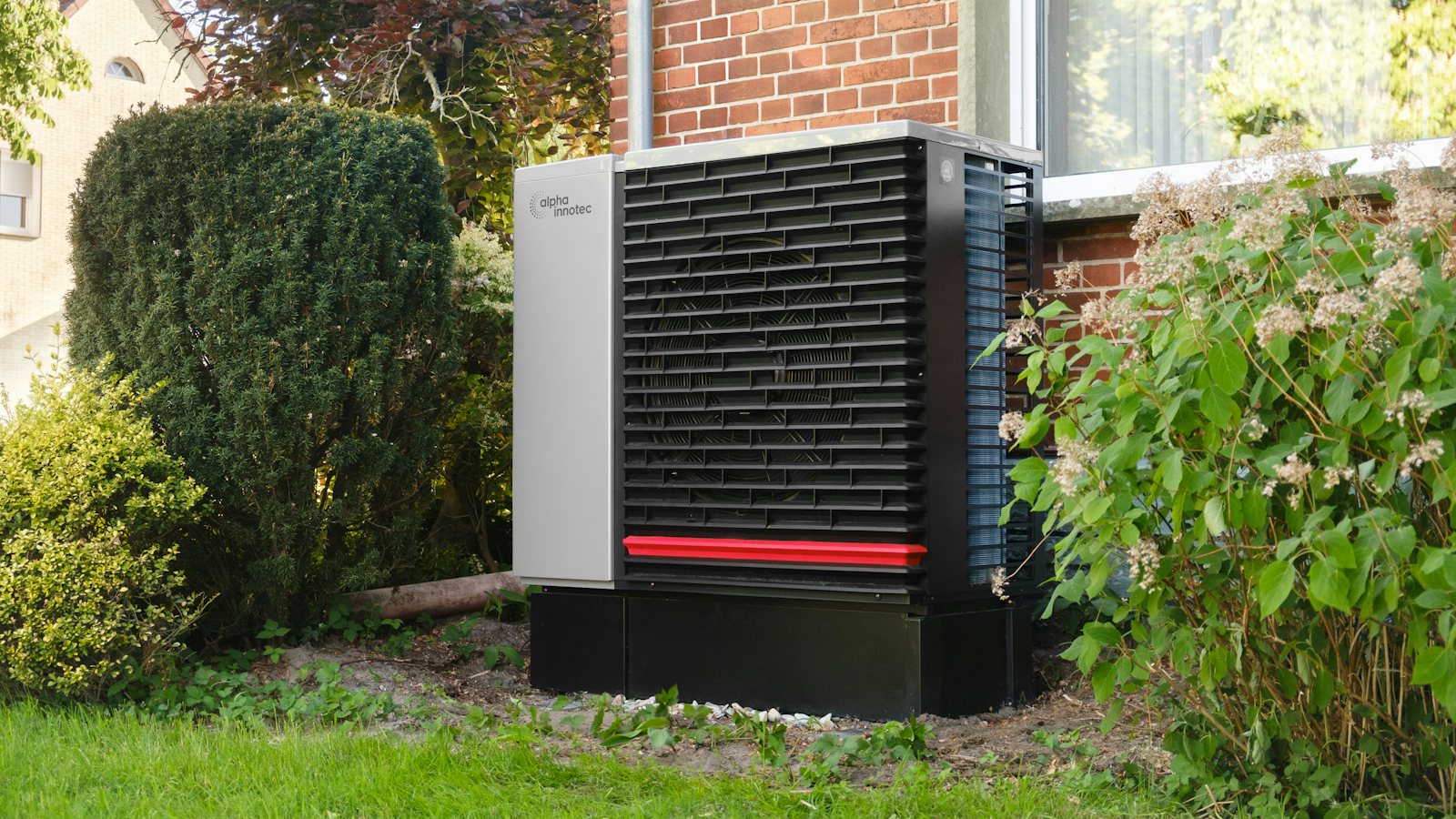
A ducted air-source heat pump costs about $5,000–$15,000 installed, and Fixr puts the national average at $8,350. EnergySage's marketplace quotes are higher, averaging $15,393 across all types before incentives, because those quotes tend to include bigger homes, new ducts and electrical work. The honest answer is that $8,000–$15,000 covers most whole-home jobs.
One piece of context matters for 2026: the federal tax credit that used to take up to $2,000 off the bill is gone for new installs. You can still get help from income-based rebates and state or utility programs, but the sticker price is now closer to what you actually pay.
Ducted, ductless or hybrid
Which kind you buy changes the price more than which brand. A ducted system reuses your existing ducts and replaces the AC and furnace with one outdoor unit and one indoor air handler. That is the cheapest per ton: EnergySage puts ducted systems at $3,790 per ton before incentives. Ductless mini-splits skip the ducts and put a head in each room, which suits additions, older homes without ducts, and zones that are hard to heat. EnergySage's per-ton figure for ductless is $9,163.
A hybrid system pairs a heat pump with a gas furnace that takes over in very cold weather. EnergySage's average for hybrids is $14,353 before incentives. If you are in a cold climate and electricity costs more than gas, it can keep you from running the heat pump at its least efficient point.
Geothermal is a different animal. Fixr lists it at $15,000–$35,000, and This Old House puts it at $6,000–$20,000 for the equipment side. The ground loop is what makes it expensive. For most houses it is not worth it unless you plan to stay for decades.
Heat pump prices at a glance
Cost by heat pump type
| Type | Fixr installed range | EnergySage average (before incentives) |
|---|---|---|
| Ducted air-source | $5,000–$15,000 | $14,529 |
| Ductless mini-split | $2,000–$8,000 | $25,957 |
| Hybrid (heat pump plus furnace) | n/a | $14,353 |
| Geothermal | $15,000–$35,000 | $15,000 to over $40,000 |
Cost by home size and tonnage
| Home size | Tonnage | Installed cost |
|---|---|---|
| 1,000 sq ft | 2 | $5,000–$8,000 |
| 1,500 sq ft | 2.5 to 3 | $6,700–$14,000 |
| 2,000 sq ft | 3 to 4 | $8,000–$20,000 |
| 2,500 sq ft | 3.5 to 5 | $9,500–$22,000 |
| 3,000 sq ft | 4 to 6 | $15,000–$25,000 |
Cost by efficiency rating
| SEER2 | HSPF2 | Installed cost |
|---|---|---|
| 14 to 15 | 7 to 8 | $5,000–$12,000 |
| 16 to 17 | 8 to 9 | $7,000–$15,000 |
| 18 to 19 | 9 to 10 | $10,000–$18,000 |
| 20+ | 10+ | $15,000–$25,000 |
Average installed cost by state, before incentives
| State | Average cost |
|---|---|
| North Carolina | $9,757 |
| Florida | $10,340 |
| Texas | $11,874 |
| Pennsylvania | $16,080 |
| Colorado | $17,780 |
| California | $19,844 |
| Massachusetts | $24,482 |
Efficiency, climate and what you save
Higher efficiency costs more. Fixr shows a 14–15 SEER2 unit at $5,000–$12,000 installed, and a 20+ SEER2 unit at $15,000–$25,000. Higher ratings pay back faster in places with long heating or cooling seasons, and slower in mild climates.
What you get is lower energy use. The Department of Energy says modern air-source heat pumps can cut electricity use for heating by about 50% compared with furnaces and baseboard heaters, and puts average savings at more than $500 a year depending on home size, climate and efficiency. ENERGY STAR says certified air-source heat pumps can deliver up to three times more heat energy than the electricity they consume. Fixr estimates annual utility savings at $300–$650 versus alternatives.
Cold weather used to be the dealbreaker. The DOE says advances in the technology now make air-source heat pumps viable in colder regions, and ENERGY STAR's cold climate certification requires third-party verified performance testing down to 5°F. If you live somewhere that sees sustained subzero weather, look for that certification and ask the installer about backup heat.
Incentives in 2026
The 25C credit is over for new installs. The IRS says the credit applies to qualifying property placed in service on or after January 1, 2023 and before December 31, 2025, with a $2,000 annual cap for heat pumps. Some pages, including ENERGY STAR's, still mention it, so check the date before relying on any old estimate.
What remains, per EnergySage: HEAR rebates (up to $8,000 for households at or below 80% of area median income, up to $7,000 for 80%–150%), which are backed by a combined $8.8 billion with HOMES and expected to last through 2031 or until state allocations run out. State programs vary widely. EnergySage lists up to $9,000 in Massachusetts and a $1,500 Colorado tax credit per air-source heat pump.
The rebates come through your state's program, so the amount depends entirely on where you live and your household income. Ask your installer whether they are enrolled before you sign.
Ductwork, electrical and permits
A heat pump in a house with sound ducts is the simple case. If the ducts need repair or replacement, Fixr says that "will add significantly" without giving a dollar figure, and EnergySage notes new ductwork can run $2,000 to more than $10,000, enough to make a ducted system cost about as much as a ductless one.
Electrical work is the other common surprise. Fixr's ductless page lists a 200-amp service upgrade at $1,300–$3,000 and a subpanel at $400–$2,000. Older homes with a 100-amp panel often need one or the other. Permits and inspections run $50–$300 on Fixr's heat pump page.
Labor is quoted at $75–$125 an hour by Fixr. The Bureau of Labor Statistics median for HVAC mechanics and installers was $29.33 an hour in May 2025, and the difference covers the company's overhead, warranty and insurance. The BLS also notes that EPA refrigerant certification is required for nearly all HVAC technicians.
Running costs
Fixr works through an example: an 1,800 sq ft home with a 5-ton, SEER2 18 unit run four hours a day costs about $1,200 a year at 17.47 cents per kWh. Your bill will differ with the rate, the weather and how well the house is sealed.
The best savings come from replacing electric resistance heat, oil or propane. If you already have a modern gas furnace and cheap gas, the savings are smaller and a hybrid system may make more sense. ENERGY STAR says switching from electric resistance, propane or oil lowers energy bills.
Sizing and comparing quotes
ENERGY STAR says equipment that is too large or too small will not perform well, and it recommends a Manual J load calculation to size it.
When you compare bids, make sure they list the same tonnage, SEER2 and HSPF2 ratings, whether ductwork and electrical work are included, the backup heat arrangement, and which incentives the installer will help you claim. Fixr says Goodman and Rheem are more affordable up front, while Carrier and Trane cost more. That is a starting point, not a verdict, since the installer's skill matters more than the badge.
Sample estimate
Illustration
Sample estimate: 2,000 sq ft house in Pennsylvania, 3-ton ducted heat pump
- 3-ton, 16–17 SEER2 heat pump system, installed
- $9,500
- Electrical subpanel and breaker
- $800
- Permit and inspection
- $200
- Total
- $10,500
Illustration only, not a quote. The system price sits inside Fixr's $7,000–$15,000 range for 16–17 SEER2, the subpanel inside its $400–$2,000 range and the permit inside $50–$300. It assumes the ducts are sound and ignores any rebate.
Ways to bring the price down
- Check HEAR and state rebates before you pick a unit. Up to $8,000 for lower-income households is bigger than any equipment discount.
- Skip the top efficiency tier unless your heating and cooling bills are high. Fixr's 20+ SEER2 range starts at $15,000, far above the $8,350 average.
- Get the ducts tested before you buy. EnergySage notes ductwork can cost $2,000 to over $10,000 and change which system type is cheapest.
- Replace the AC and furnace together if both are old, rather than buying a heat pump now and a furnace later.
- Ask for line-item quotes so you can see what is equipment, labor, electrical and permits.
- If you have resistance heat, oil or propane, prioritize those areas first. That is where a heat pump saves the most.
Frequently asked questions
How much does a heat pump cost to install?
Fixr puts the national average at $8,350, with a typical range of $5,000–$15,000. EnergySage's marketplace data averages $15,393 across all types before incentives, with ducted systems at $14,529.
Is the heat pump tax credit still available?
Not for systems placed in service after December 31, 2025. The IRS credit was up to $2,000 a year. HEAR rebates and state programs still exist, and the amounts depend on income and location.
Are heat pumps cheaper to run than a furnace?
Often, yes, especially compared with electric resistance, oil or propane. The DOE says modern heat pumps can cut heating electricity use by about 50% versus furnaces and baseboard heaters. With cheap natural gas the savings shrink.
Do heat pumps work in cold weather?
Modern ones do. The DOE says advances make air-source heat pumps viable in colder regions, and ENERGY STAR's cold climate label requires testing down to 5°F. In very cold areas, ask about backup heat or a hybrid setup.
What size heat pump do I need?
It depends on your house, not just its square footage. Fixr pairs 2 tons with 1,000 sq ft and 3 to 4 tons with 2,000 sq ft, but a Manual J load calculation gives the real answer.
How much more does a ductless heat pump cost than a ducted one?
For whole-home systems, a lot more. EnergySage's averages are $25,957 for ductless versus $14,529 for ducted, though Fixr's ductless range of $2,000–$8,000 describes a smaller one- or two-room system.
How long does a heat pump last?
None of the official pages we reviewed give a firm lifespan, so we do not quote one. Ask the installer about the warranty length on the compressor and on labor, which tells you more than a generic average.
Sources
We compare several independent sources for every guide and say where they disagree. Pages were last checked on the dates shown.
- How Much Does a Heat Pump Cost? (opens in a new tab), Fixr. Accessed November 22, 2026. Used for: national average, range, by size, efficiency, labor, permits, running cost
- How Much Does It Cost to Install a Ductless Heat Pump? (opens in a new tab), Fixr. Accessed November 22, 2026. Used for: electrical upgrade costs
- How much does a heat pump cost in 2026? (opens in a new tab), EnergySage. Accessed November 22, 2026. Used for: marketplace averages by type and state, per-ton cost, incentives
- HVAC Installation Cost (opens in a new tab), This Old House. Accessed November 22, 2026. Used for: geothermal equipment cost
- Energy Efficient Home Improvement Credit (opens in a new tab), IRS. Accessed November 22, 2026. Used for: heat pump credit cap and termination date
- Pump Up Your Savings with Heat Pumps (opens in a new tab), U.S. Department of Energy. Accessed November 22, 2026. Used for: electricity savings, cold-climate performance, average savings
- Air-Source Heat Pumps (opens in a new tab), ENERGY STAR. Accessed November 22, 2026. Used for: efficiency claims, cold climate testing, Manual J sizing
- Heating, Air Conditioning, and Refrigeration Mechanics and Installers (opens in a new tab), U.S. Bureau of Labor Statistics. Accessed November 22, 2026. Used for: median wage, EPA certification
How we put this guide together
We don't take money from contractors or sell your details. Ranges come from published national price data, wage statistics and installer price lists, cross-checked and rounded. Read how we price or tell us if a number looks off in your area via our contact page.
Related cost guides
Attic insulation
Typical total to insulate a 1,000 sq ft attic, materials and labor
$2,000–$3,250HVAC replacement
Central AC plus gas furnace, 2,000–2,500 sq ft home, existing ducts reused
$11,590–$14,100Mini split
Installed ductless mini-split heat pump, typically one or two zones
$2,000–$8,000AC installation
3-ton central AC replacement, installed, existing ductwork
$5,000–$9,150Furnace replacement
Typical installed gas furnace replacement, most homes
$2,800–$6,900Electrical panel upgrade
Typical total to replace a main panel with a 200-amp panel, labor and permit included
$1,300–$4,500